Prakash Dhungana
Embedded Software Engineer · Embedded Linux, RTOS & TinyML
Beyond the Code
← Back to the professional homepage
I am an embedded software engineer, but the short version of my career — Kathmandu to Osijek to Lexington — leaves out most of what made it. This page is the longer version: where I come from, how I got from a mechanical engineering degree to writing safety-critical firmware, and what I do when I am not attached to a debugger.
A Compact Roadmap
| When | What |
|---|---|
| 1994 | Born in Manahari, Makawanpur, Nepal (114 Km from Kathmandu). |
| 2012 – 2016 | B.E. in Mechanical Engineering, Tribhuvan University, Kathmandu. Four years of thermodynamics, machine design, and manufacturing — the foundation I still fall back on whenever software meets a physical system. |
| 2016 – 2019 | Automotive Service Engineer, IME Motors / Goldfish International, Kathmandu. Three years with my hands inside engines, ECUs, and powertrain control modules — chasing diagnostic trouble codes through electrical schematics on commercial vehicles. This is where I learned that the interesting failures live at the hardware–software boundary. |
| 2019 | Moved to Croatia. Left Nepal for a master’s program in a language and a continent I did not know. |
| 2019 – 2021 | M.Sc. in Automotive Computing and Communications, University of Osijek. The deliberate pivot from mechanical to embedded software. |
| 2019 – 2021 | Graduate Student Intern — ADAS Embedded Software, TTTech Auto, Osijek. First production embedded work: optimizing an automotive vision pipeline on TI TDA2x SoCs and building real-time panoramic image correction that had to hold 60 fps on real hardware. |
| 2021 – 2022 | Embedded Software Engineer, TTTech Auto (now TrustMotion). Integrated NVIDIA DriveOS Safety Services into the MotionWise autonomous-driving middleware under ISO 26262, and wrote the low-level PCIe and DMA drivers underneath it. |
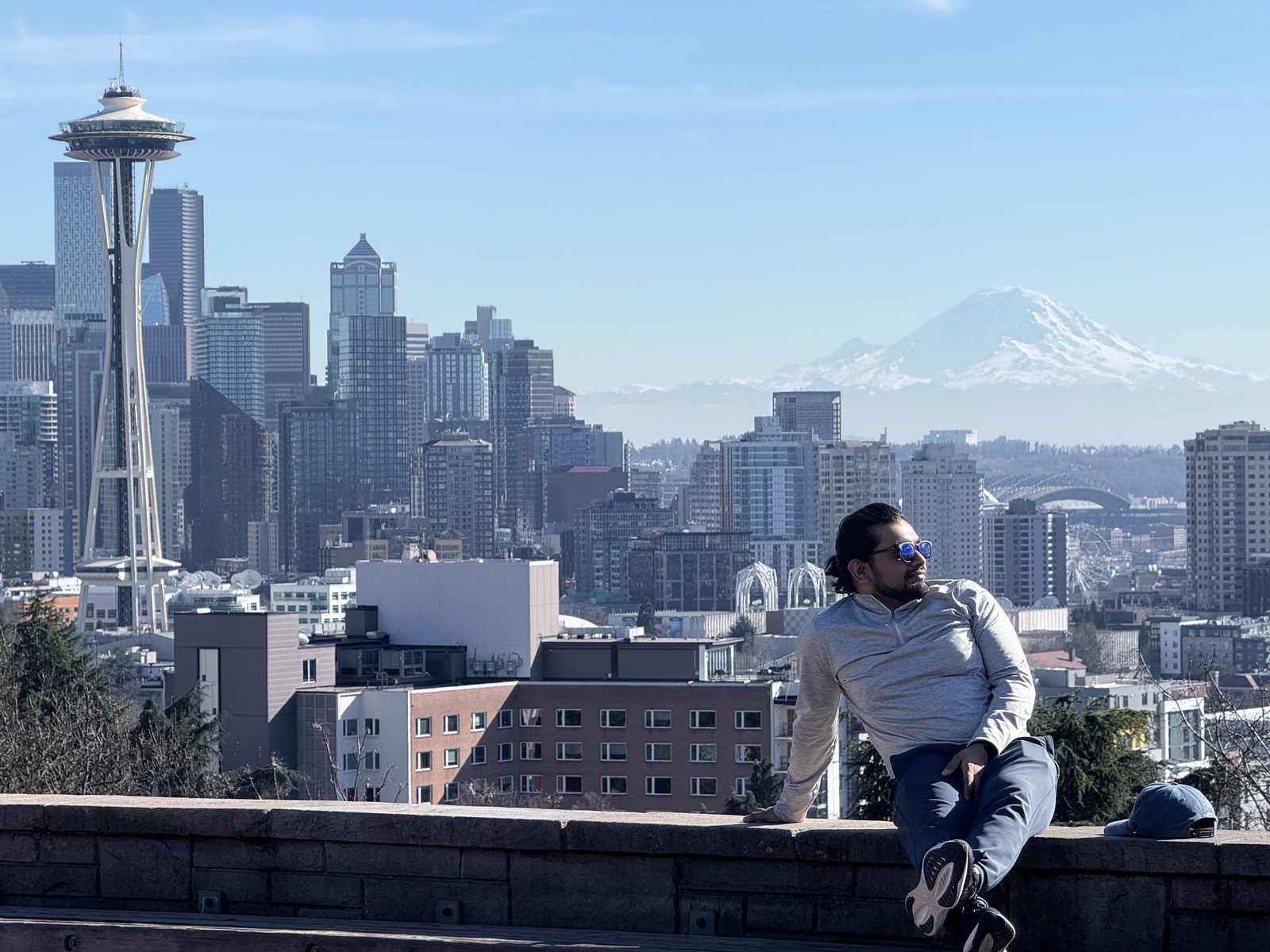
| 2023 | Moved to the United States. Lexington, Kentucky — my third country, third home. |
| 2023 – 2026 | Ph.D. in Computer Engineering, University of Kentucky, in the Computing with Unconventional Technologies (CUT) lab under Dr. Sayed Ahmad Salehi. Integer-only inference engines and on-device continual learning small enough to run on an ARM Cortex-M: 41 ms end to end, 13.5 kB of memory. |
| 2024 | First-author papers at ISQED (San Francisco) and HORA (Istanbul), with earlier work presented at ELMAR (Zadar, 2022). |
| Aug 2026 | Ph.D. complete — officially finished 12 August 2026, and looking for the next hard embedded problem. |
Three Countries
I have built a life from scratch three times now, and each version left something behind.
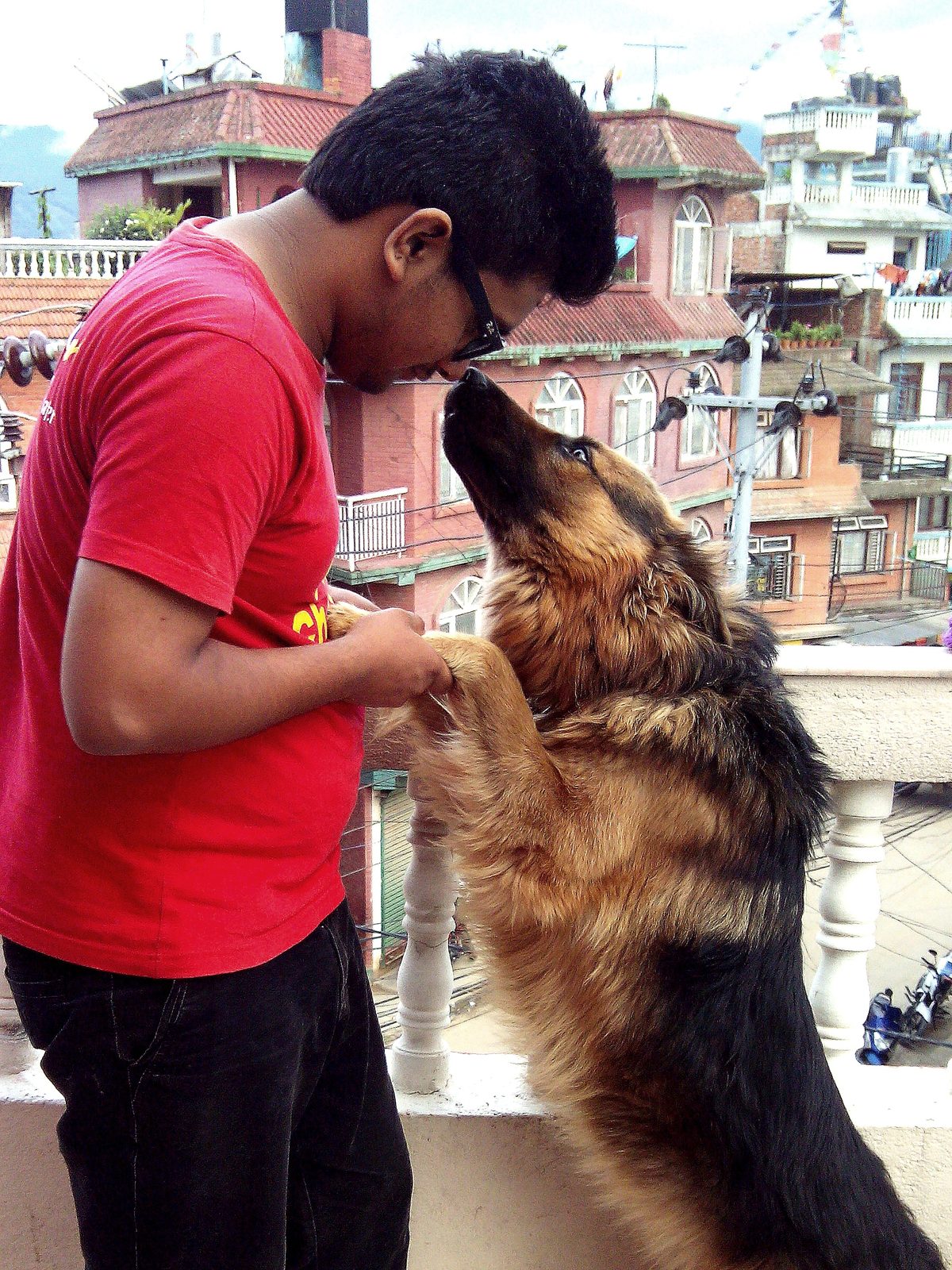
Nepal is where I am from and where my instincts about machines were formed — in a repair bay, where the diagnosis had to be right because the customer was waiting and the part might take three weeks to arrive.
Croatia taught me to be a beginner again well into my career: a new language, a new field, and a first winter that I was extremely unprepared for. Osijek is a small city on a big river, and it is where I evolved from a mechanical engineer into a computer engineer.
The United States is where the research happened. Kentucky was not on any map I had drawn for myself, and it turned out to be a good place to think slowly about hard problems.
Outside the Debugger
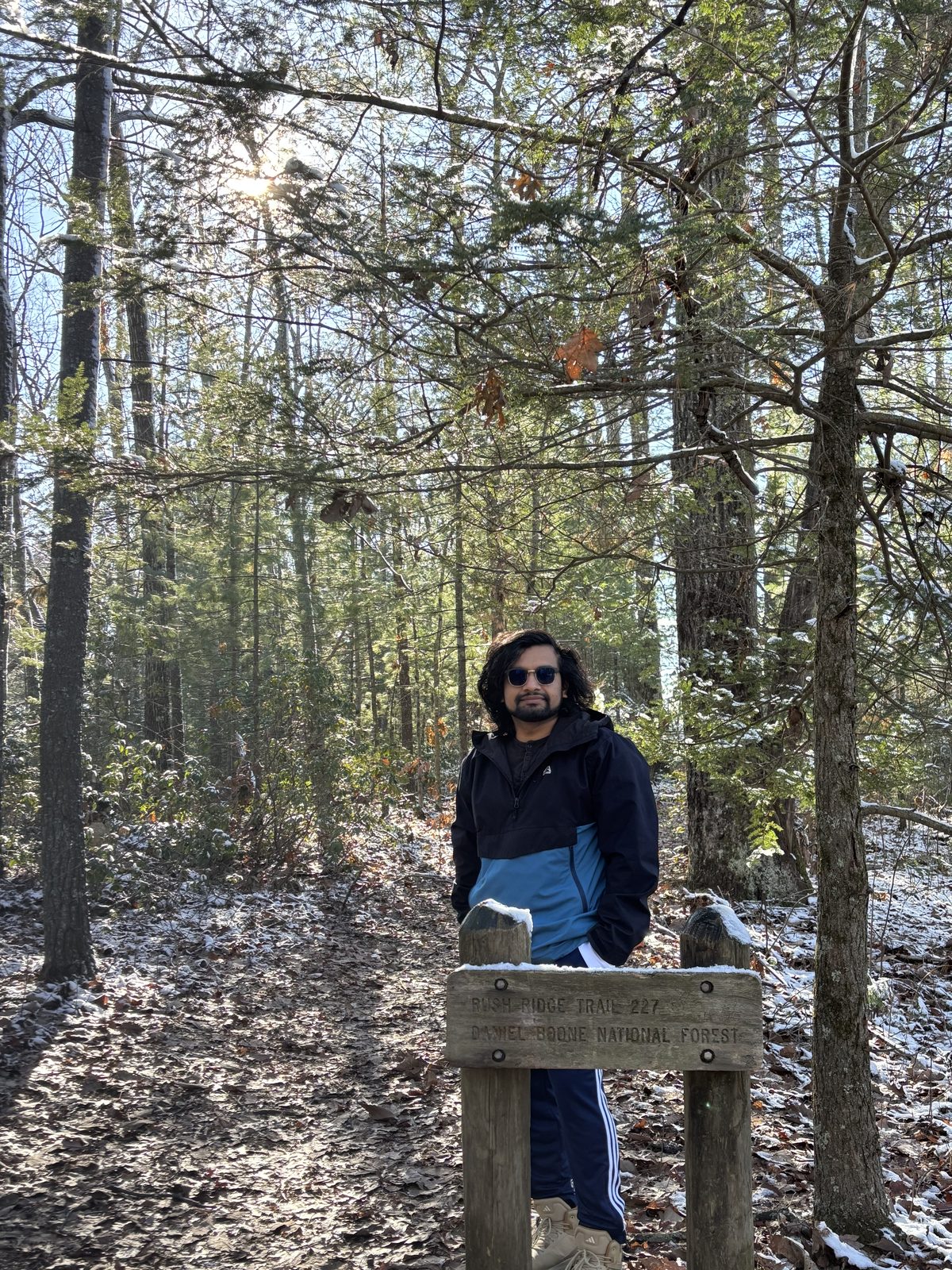
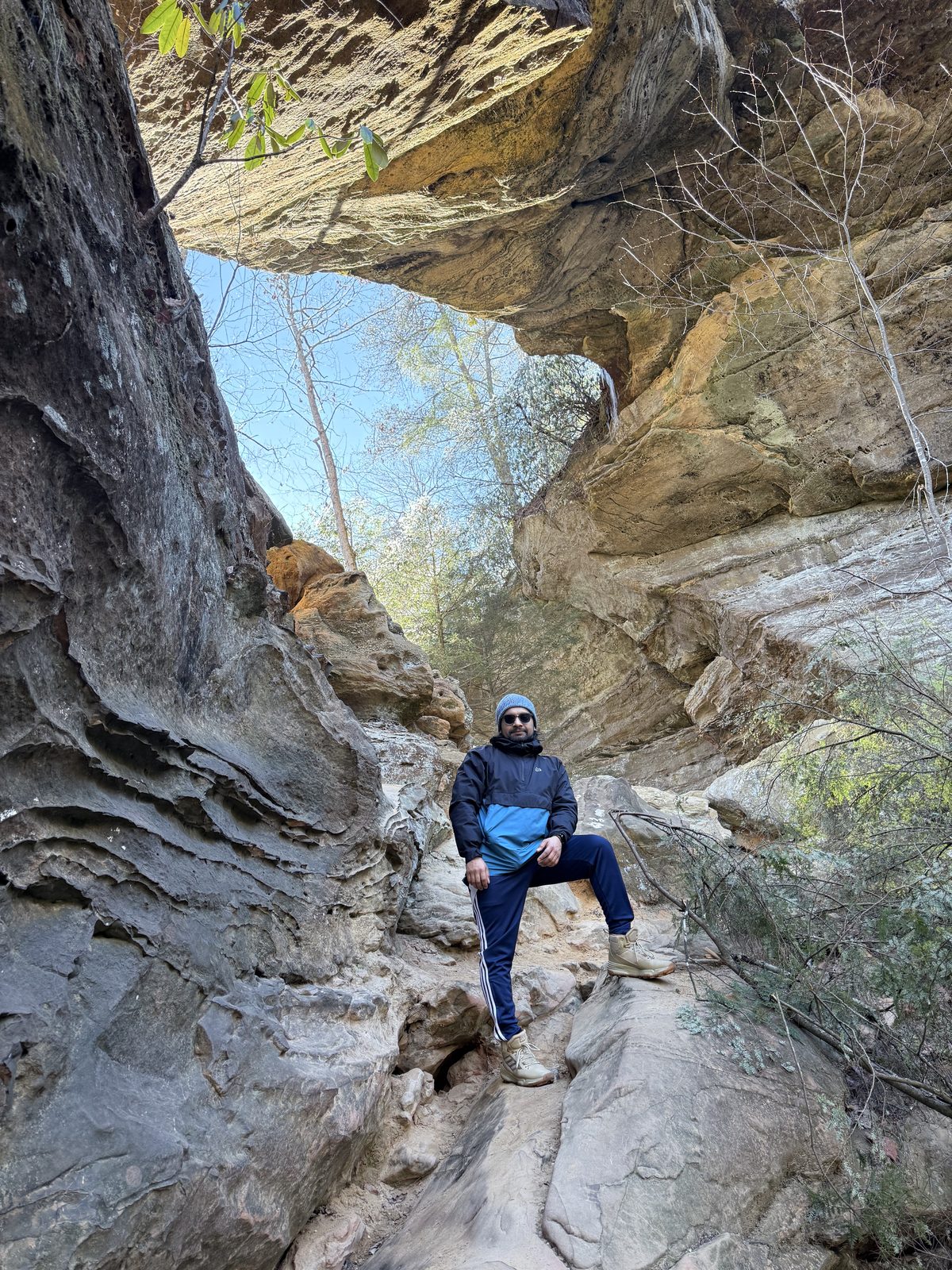
Outdoors and travel. Growing up in Nepal sets an unreasonably high baseline for what counts as a good hike, and I have been chasing it ever since. Through Croatian river country and now the ridges and state parks of Kentucky and Appalachia, I love hiking different terrains. And if I find the terrain entertaining enough, I might fancy a slow trail run over the course. Moving between continents turned travel from a hobby into a habit. I would love to spend a weekend somewhere unfamiliar rather than spend a weekend somewhere comfortable.
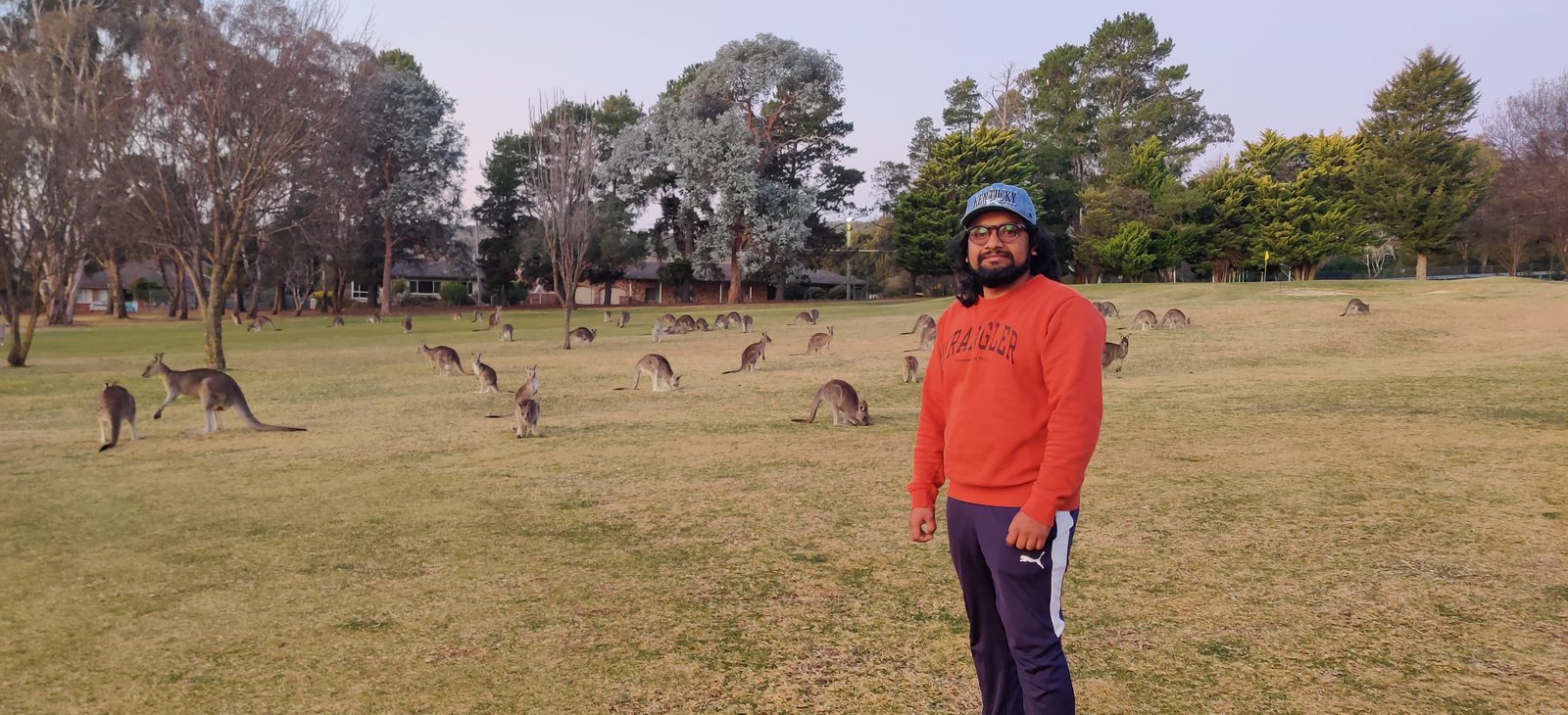
The map so far is smaller than I would like: India twice, in 2012 and 2019; China only as far as Kerung, just over the Tibetan border, in 2016; and Australia in 2024. That last one is still my favorite trip — a new continent, and the first time in five years I had seen my two cousins. From Sydney I made a quick run up to Newcastle to catch a former colleague from Nepal, then down to Canberra, largely to see kangaroos, which I recommend without irony.
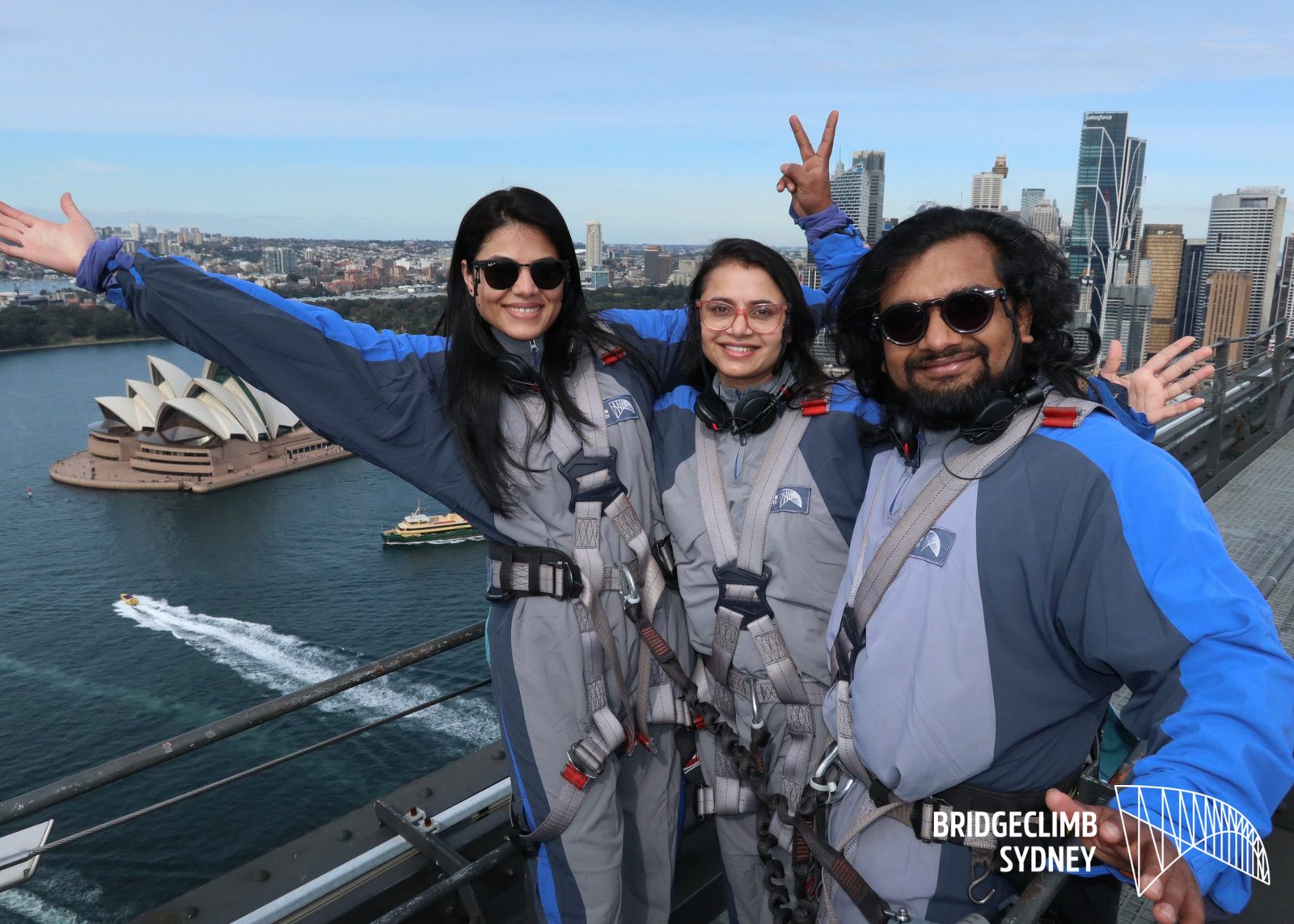
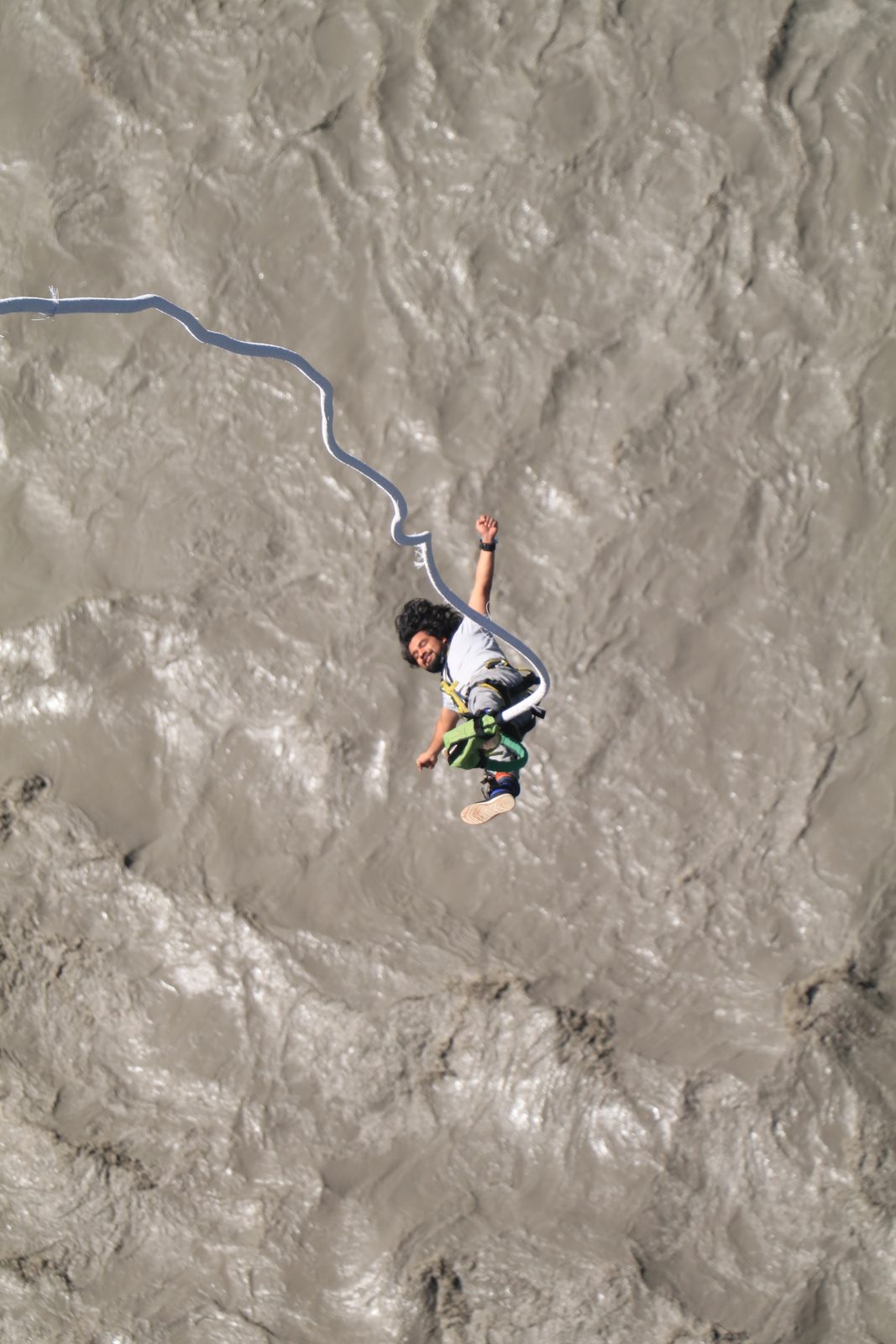
Rafting, kayaking, bungee jumping, and paragliding are all done. Skydiving is the one still outstanding — and so is Dubrovnik, which is slightly embarrassing given that I lived in Croatia for three years and never made it down the coast. I want it for the Adriatic, the architecture, and yes, the Game of Thrones locations. Machu Picchu is on the list for a plainer reason: ancient civilizations are hard for me to walk past.
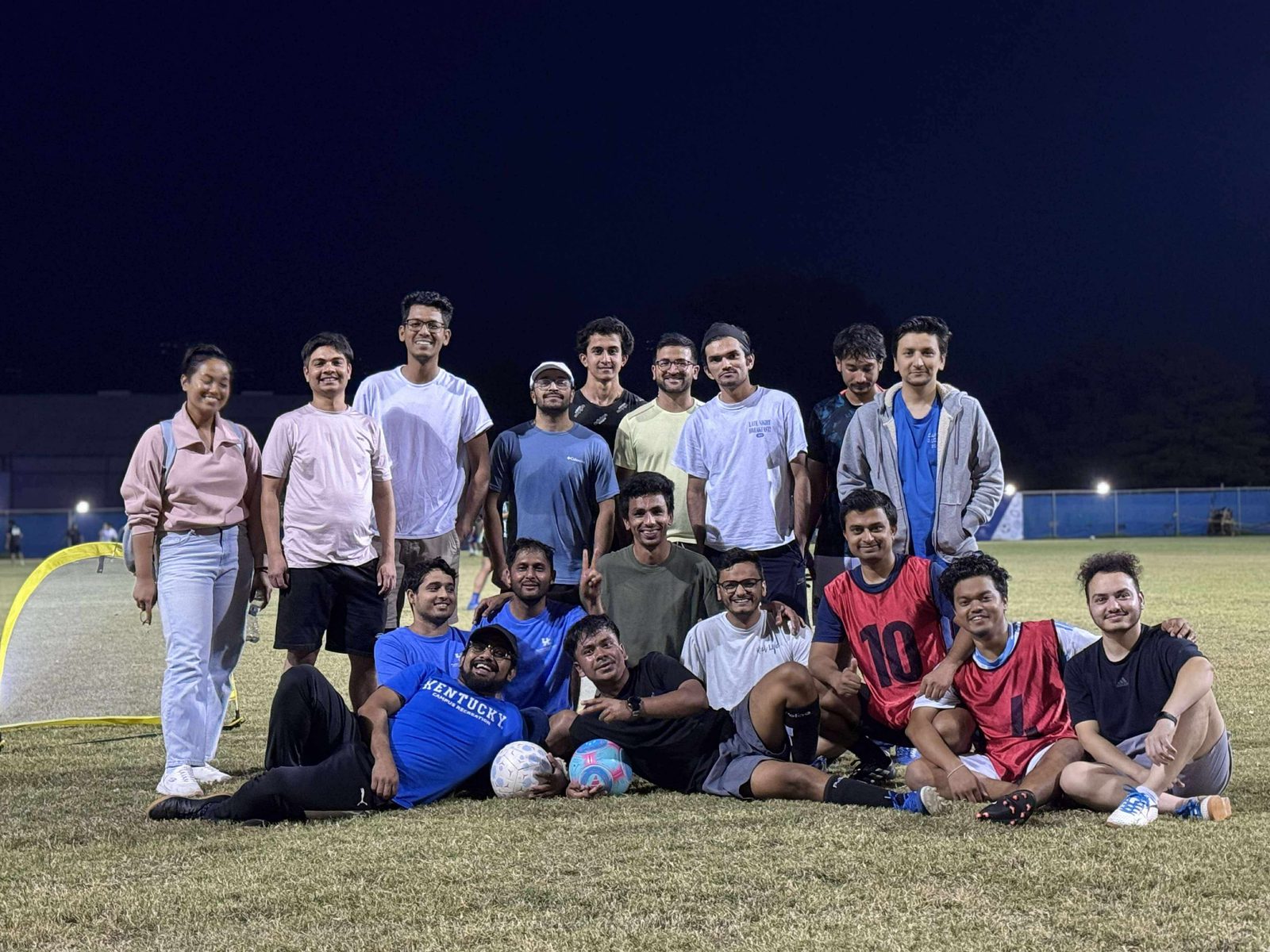
Sports and fitness. The reliable counterweight to a job spent sitting still. It is the part of my week that has nothing to do with a screen, and after a day of chasing an intermittent bug through a trace log or a debugger, that matters more than it sounds.
What I watch: football above all — Chelsea by choice, Croatia by adoption, which is what three years in Osijek does to a Nepali football fan. Formula 1 as well, where I have been in Hamilton’s corner for a long time, and Nepal’s cricket team, which nobody from Nepal really chooses so much as inherits.
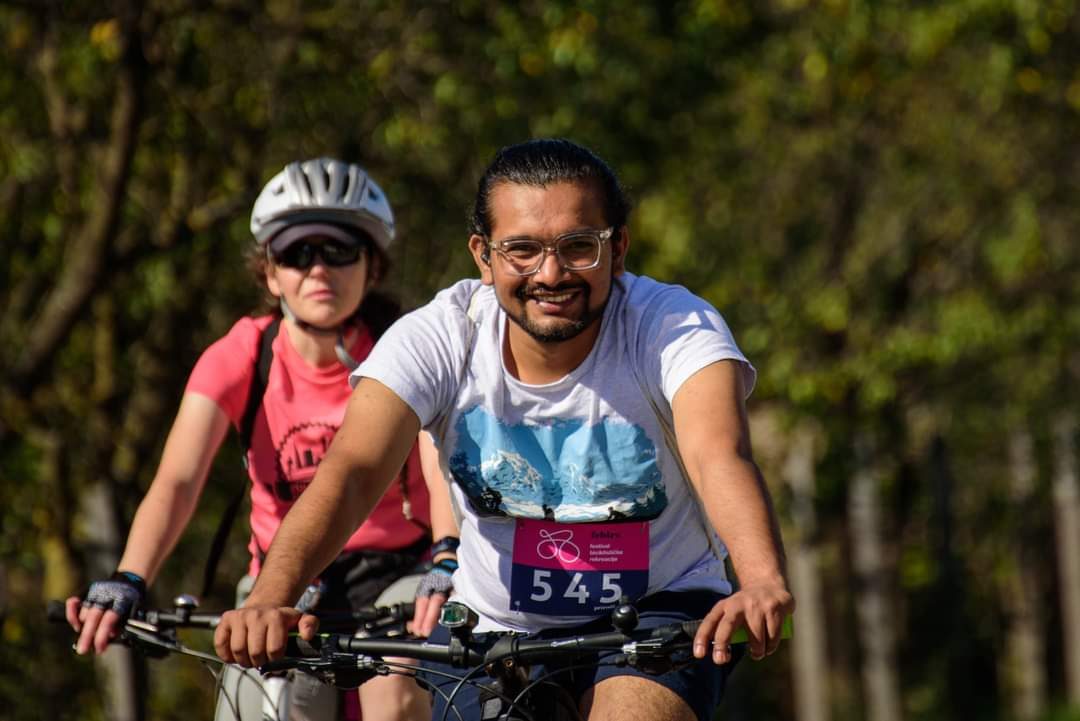
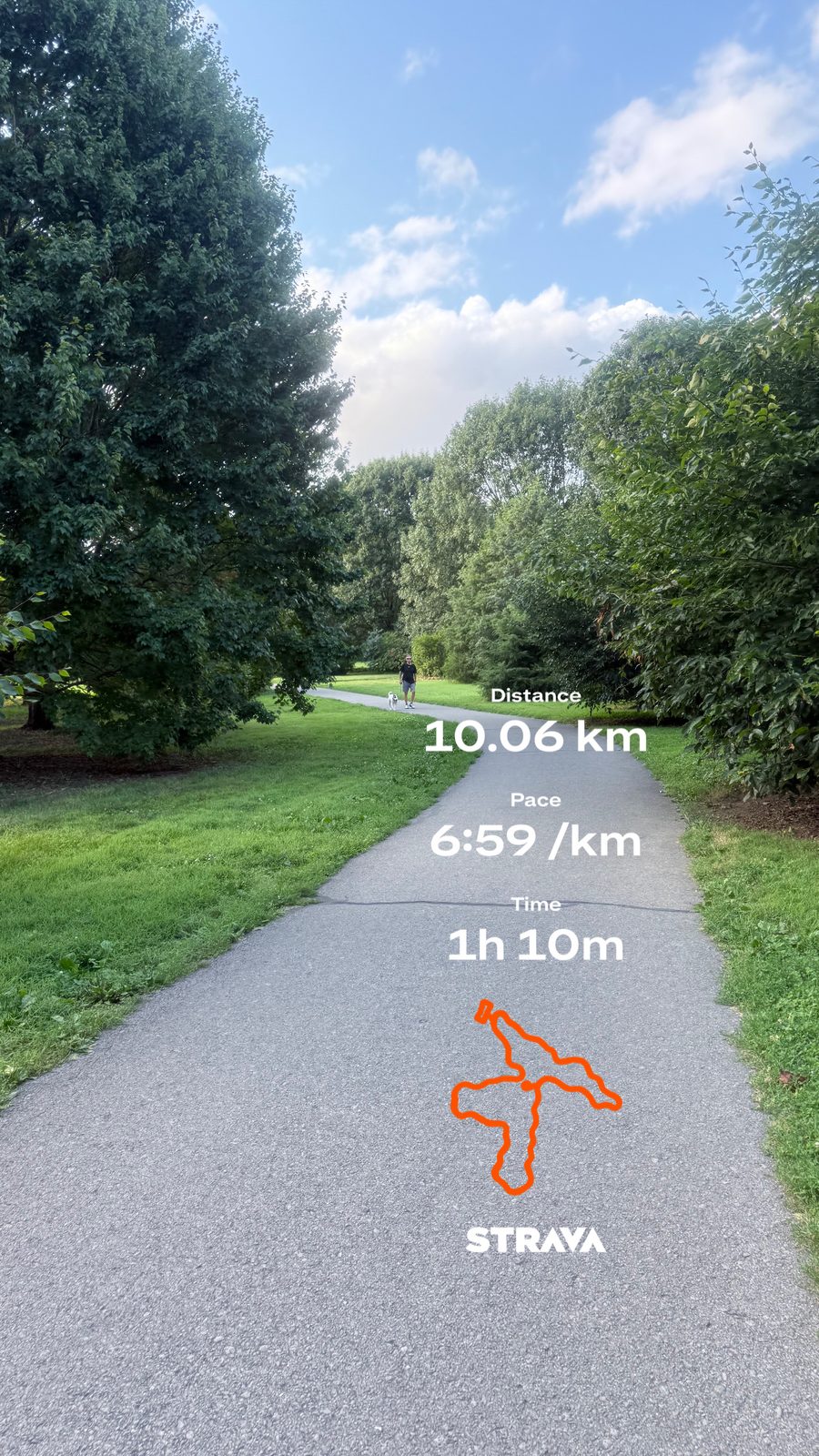
What I do: running, at least three times a week. My personal bests currently sit at 27:44 over 5K, 1:01:08 over 10K, and 2:23:55 for the half marathon, and I am 614 km into 2026 as of August. The gym is supposed to be five days a week; I will admit it has been less regular lately while I focus on the move to a new role.
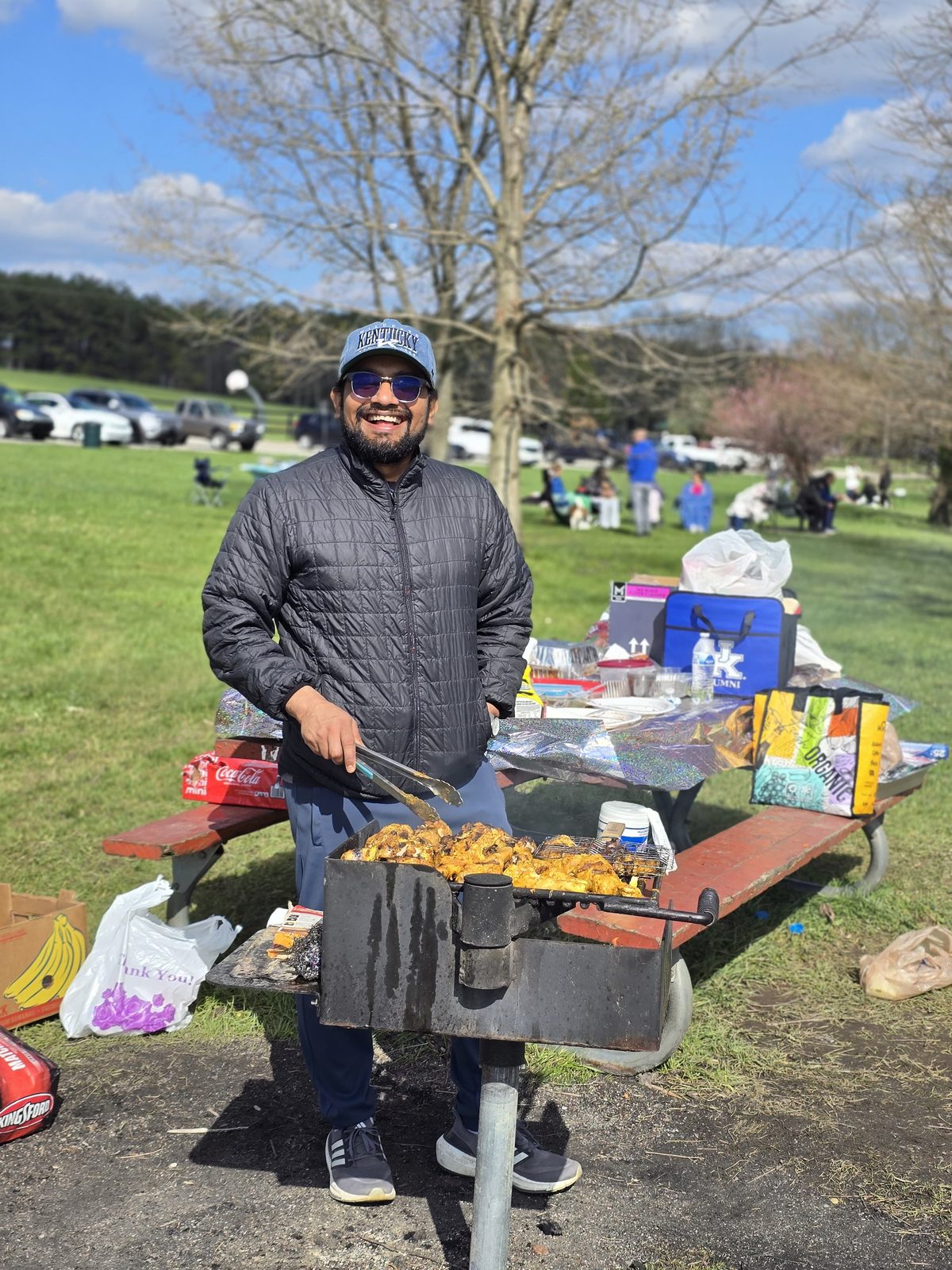
Arts and culture. The input side of the balance — music, film, food, and the long-running project of understanding a place through what it makes. Living in three countries has been an accidental education in this, and cooking in particular has followed me across all three.
I cook Nepali most of the time, with a fair amount of Indian alongside it and the Indo-Chinese and Nepali-Chinese fusion that anyone from Nepal will recognize instantly. The only instrument I play is a camera, and I use it less for composition than for memory — it is how I keep the places I have lived. I read biography, history, and novels, with the occasional self-improvement book in the rotation. Music runs Nepali and Hindi next to 90s classic rock. And films and series, which for years lost out to whatever deadline was closest, have lately been getting the time they were owed.
The Thread
Looking back at the roadmap, the through-line is not really a field — it is a preference for systems that have to work in the physical world, where a bug has consequences you can see. A misdiagnosed engine in Kathmandu, a dropped frame on an ADAS platform, and a mispredicted keyword on a microcontroller are more alike than their job titles suggest. I have just kept moving down the stack toward them.
Want the professional version? The homepage has my experience, projects, and publications, and the resume is here. The fastest way to reach me is prakash.dhungana@uky.edu.